The feeling of being constantly tired, overwhelmed, and distant from work or life in general? This could be burnout symptoms. Burnout is a state of emotional, physical, and mental exhaustion caused by prolonged or excessive stress. It is important to recognize that burnout is not a personal weakness, but rather a natural response to chronic stress, and fortunately, there are effective ways to manage and overcome it.
In this article, we will dive into what burnout really is, which symptoms of burnout you should be aware of, and what research says about this condition. We will also look at the differences between burnout and depression, and not least, provide you with concrete tools and strategies to get back on track. Remember, you are not alone, and help is available.
1. What is Burnout?
Burnout is not just feeling a bit tired after a long day. It is a deeper and more persistent state of exhaustion that affects both body and mind. The World Health Organization (WHO) defines burnout as a syndrome conceptualized as a result of chronic workplace stress that has not been successfully managed.
It is important to understand that burnout develops over time. It often starts with feelings of being overwhelmed and stressed, gradually evolving into a sense of emptiness, indifference, and lack of motivation. This process can be insidious, and many do not notice signs of burnout until it has gone too far.
Burnout – A Consequence of Chronic Stress
The core of burnout lies in chronic stress. When we experience stress over a prolonged period without sufficient rest and recovery, our body and mind can become overloaded. This leads to a breakdown of our resources and a feeling of being drained of energy. Burnout is thus not the result of a single event, but rather an accumulation of stress over time.
Research shows that prolonged exposure to stress can negatively affect the brain and nervous system. Specifically, it can lead to changes in the amygdala (which processes emotions) and the prefrontal cortex (which is responsible for planning and decision-making). This can in turn lead to increased irritability, reduced concentration, and difficulties in managing stress.
2. The Most Common Symptoms of Burnout
Recognizing symptoms of burnout is the first step toward taking control of the situation. Symptoms can vary from person to person, but there are some common characteristics that are important to be aware of. Here are some of the most common:
- Exhaustion: A feeling of constant tiredness and lack of energy, even after sufficient sleep.
- Distance: Increased distance from work or other responsibilities, often accompanied by cynicism and negative thoughts.
- Reduced efficiency: The feeling of not performing as well as before, and difficulties concentrating and completing tasks.
- Irritability: Easily irritated and frustrated over small things.
- Physical symptoms: Headaches, stomach problems, sleep issues, and other physical ailments.
- Social withdrawal: Reduced interest in social activities and a desire to isolate oneself.
Specific Signs of Burnout You Should Be Aware Of
In addition to the general symptoms, there are also some more specific signs of burnout that may indicate you are at risk:
- Perfectionism: An unrealistic demand on yourself and others, and a constant fear of making mistakes.
- Lack of balance: An inability to distinguish between work and leisure, and a feeling that work always takes precedence.
- Feeling of helplessness: An experience of having little or no control over the situation, and a feeling of being trapped.
- Neglecting your own needs: An inability to take care of yourself, whether it concerns diet, sleep, exercise, or social activities.
Burnout Symptoms in Women
It is important to note that burnout symptoms in women may manifest differently than in men. Women often tend to internalize stress and may experience more emotional symptoms such as anxiety, depression, and guilt. They may also be more likely to neglect their own needs and prioritize the needs of others, which can increase the risk of burnout.
Research also suggests that hormonal factors may play a role in the development of burnout in women. For example, hormonal changes associated with menstruation, pregnancy, and menopause can affect stress levels and increase vulnerability to burnout.
3. Research on Burnout: What Do Experts Say?
Research on burnout has grown significantly in recent years, and experts have begun to understand the complex mechanisms behind this condition. Studies have shown that burnout can have serious consequences for both physical and mental health, including an increased risk of cardiovascular disease, depression, and anxiety.
The Maslach Burnout Inventory (MBI) is one of the most commonly used tools for measuring burnout. MBI assesses three dimensions: emotional exhaustion, distance, and reduced personal accomplishment.
Neuroscientific research has also begun to shed light on the biological mechanisms involved in burnout. Studies have shown that chronic stress can lead to changes in brain structure and function, particularly in areas involved in stress regulation, emotional processing, and cognitive function.
For example, research has shown that prolonged stress can lead to reduced volume in the hippocampus, a brain area important for memory and learning. It can also lead to increased activity in the amygdala, which may contribute to increased anxiety and irritability.
4. Burnout vs. Depression: Key Differences
Burnout and depression can have overlapping symptoms, but it is important to understand the differences between these two conditions. Burnout is primarily related to work-related stress, while depression is a more general state of low mood and loss of interest in life.
Here are some key differences to note:
- Cause: Burnout is usually caused by chronic stress at work, while depression can have multiple causes, including genetics, life events, and chemical imbalances in the brain.
- Focus: Burnout is primarily related to work, while depression affects all aspects of life.
- Emotions: Individuals with burnout often feel exhausted, distant, and ineffective, while individuals with depression feel down, hopeless, and worthless.
It is important to seek professional help to get an accurate diagnosis and treatment. Both burnout and depression can be effectively treated with therapy, medication, and lifestyle changes.
How to Distinguish Burnout from Depression?
Ask yourself if the low mood is primarily related to work or if it affects all parts of your life. If you feel exhausted and distant from work but still find joy in other activities, it may be more likely that you are suffering from burnout. If, on the other hand, you feel down, hopeless, and have lost interest in everything, it may be more likely that you are suffering from depression.
5. The Road Back: How to Recover from Burnout
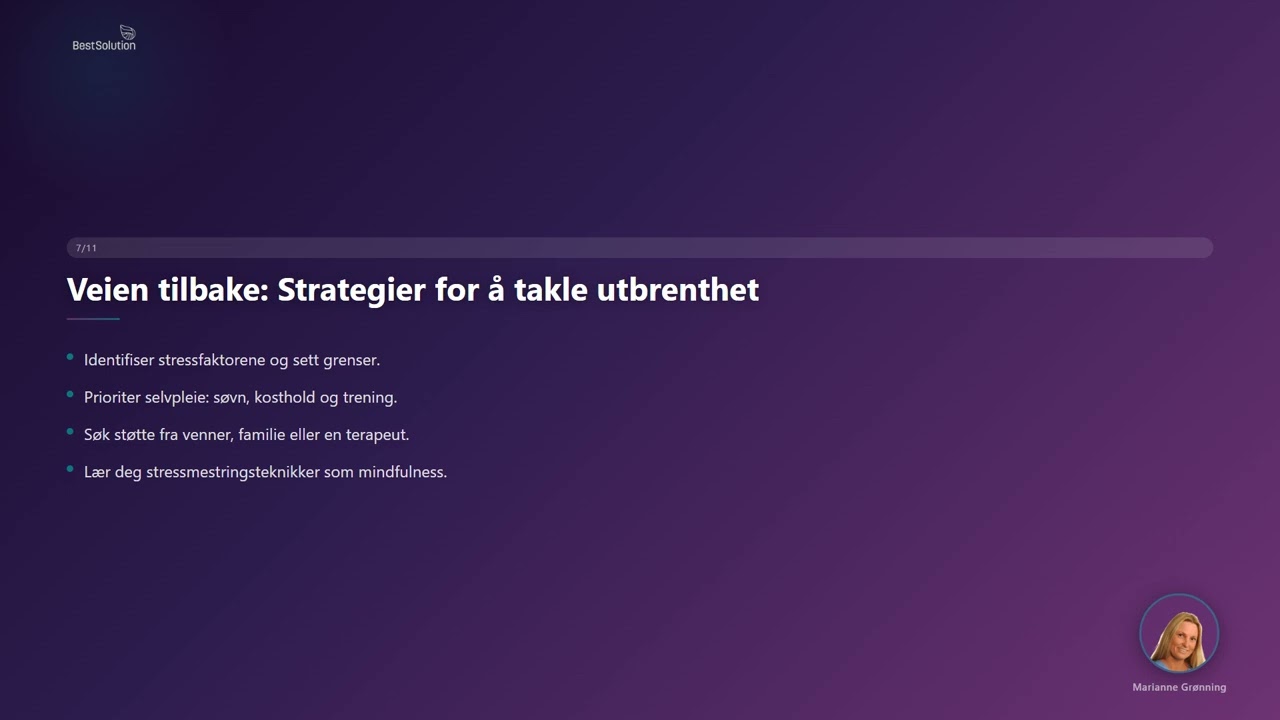
Recovering from burnout is a process that requires time, patience, and a willingness to make changes in your life. There is no quick fix, but with the right tools and strategies, you can gradually regain control of the situation and find your way back to balance and well-being.
Here are some concrete steps you can take to recover from burnout:
- Acknowledge the problem: The first step is to acknowledge that you are burned out and that you need help.
- Seek support: Talk to a friend, family member, colleague, or therapist. It can be incredibly valuable to share your feelings and receive support from others.
- Set boundaries: Learn to say no and set clear boundaries between work and leisure.
- Take breaks: Make sure to take regular breaks throughout the day to relax and recharge.
- Prioritize self-care: Take care of yourself by eating healthy, getting enough sleep, exercising regularly, and doing things you enjoy.
- Explore stress management techniques: Try various techniques such as memory reconsolidation, yoga, mindfulness, or breathing exercises to reduce stress.
- Consider changing jobs: If burnout is related to your job, it may be necessary to consider changing jobs or altering your work tasks.
Burnout symptoms and treatment are closely linked. Treatment must be tailored to the individual's situation and needs. Some may benefit from therapy, while others may need medication. Lifestyle changes and stress management techniques are important for anyone looking to recover from burnout.
The Harmoni app offers the StoppStress method, a collection of tools and techniques that can help you reduce stress and manage burnout. The method includes breathing exercises, memory reconsolidation, and AI coaching, and is designed to provide you with simple and effective tools for managing stress in everyday life.
How long does burnout last?
The duration of burnout can vary from person to person. Some may recover after a few weeks or months with the right treatment and lifestyle changes, while others may need longer. It is important to be patient with yourself and not expect to recover overnight. Seek professional help for an individual assessment and treatment plan.
6. Prevention: How to Protect Yourself from Burnout
Prevention is always better than cure. By taking action early, you can reduce the risk of developing burnout and maintain a good balance between work and leisure.
Here are some tips for preventing burnout:
- Identify your stressors: Become aware of what triggers stress in your life and try to reduce or eliminate these stressors.
- Set realistic goals: Avoid overbooking yourself and set realistic goals that you can achieve without becoming overwhelmed.
- Delegate tasks: Learn to delegate tasks to others and ask for help when you need it.
- Prioritize sleep: Make sure to get enough sleep every night. Lack of sleep can increase stress levels and make you more vulnerable to burnout.
- Nurture your interests: Do things you enjoy and that give you joy and energy.
- Practice mindfulness: Be present in the moment and focus on your senses. Mindfulness can help you reduce stress and increase your awareness of your own needs.
What can I do to prevent burnout?
One of the most important things you can do to prevent burnout is to take care of yourself. This includes eating healthy, getting enough sleep, exercising regularly, and doing things you enjoy. It is also important to set boundaries and learn to say no when you are overwhelmed. Using stress management techniques such as memory reconsolidation and breathing exercises can also be very helpful.
The Harmoni app can be a valuable resource for preventing burnout. The app offers a variety of tools and resources, including breathing exercises, memory reconsolidation exercises, and AI coaching, which can help you reduce stress and maintain a good balance between work and leisure.
Remember that you are not alone, and it is important to seek help if you feel overwhelmed or stressed. Burnout is a serious condition, but it is also treatable. By taking action early, you can protect yourself and maintain a good quality of life.
Do you feel burned out? The Harmoni app provides you with tools for stress management, breathing exercises, and AI coaching — start free for 14 days.